
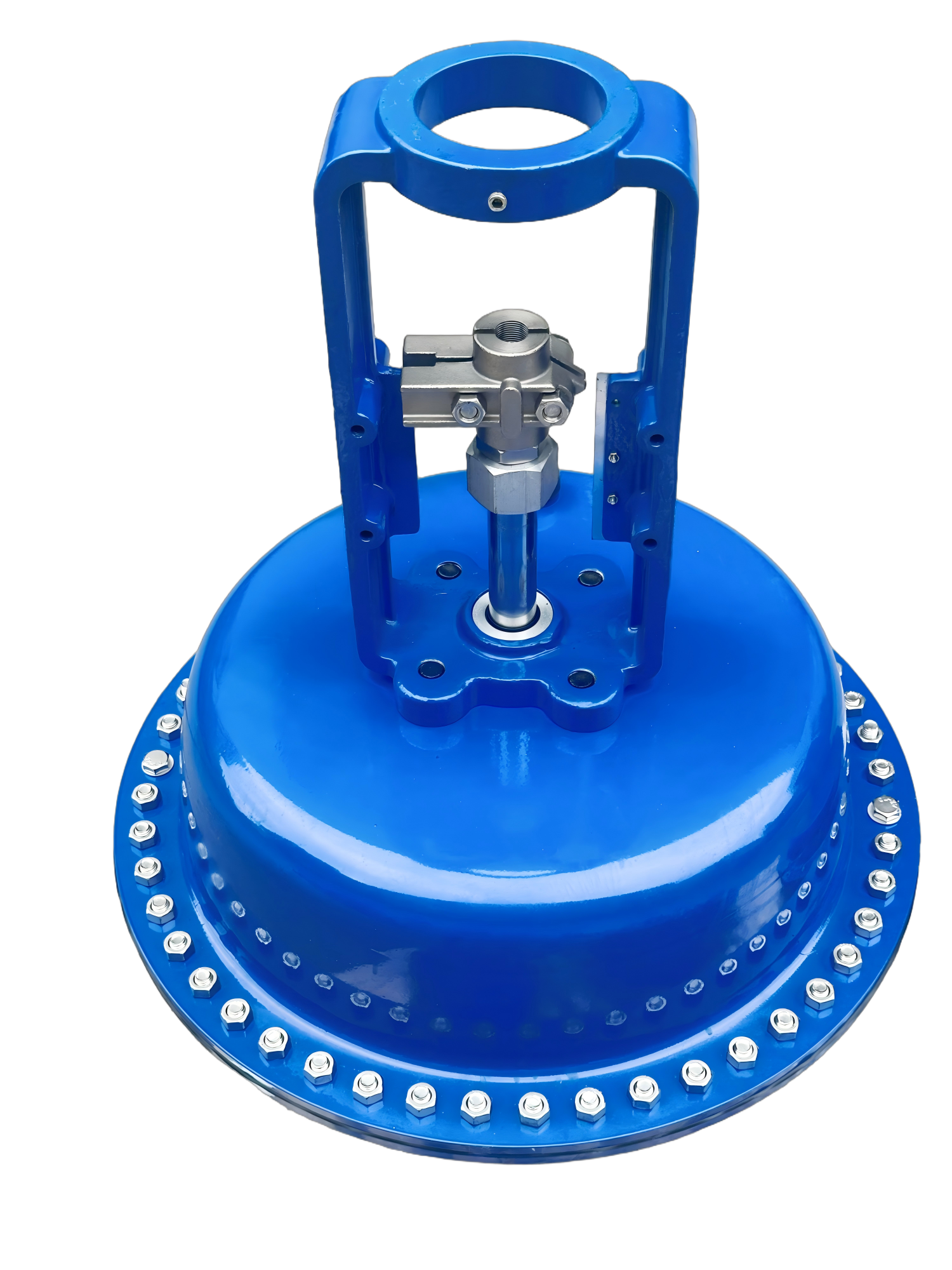
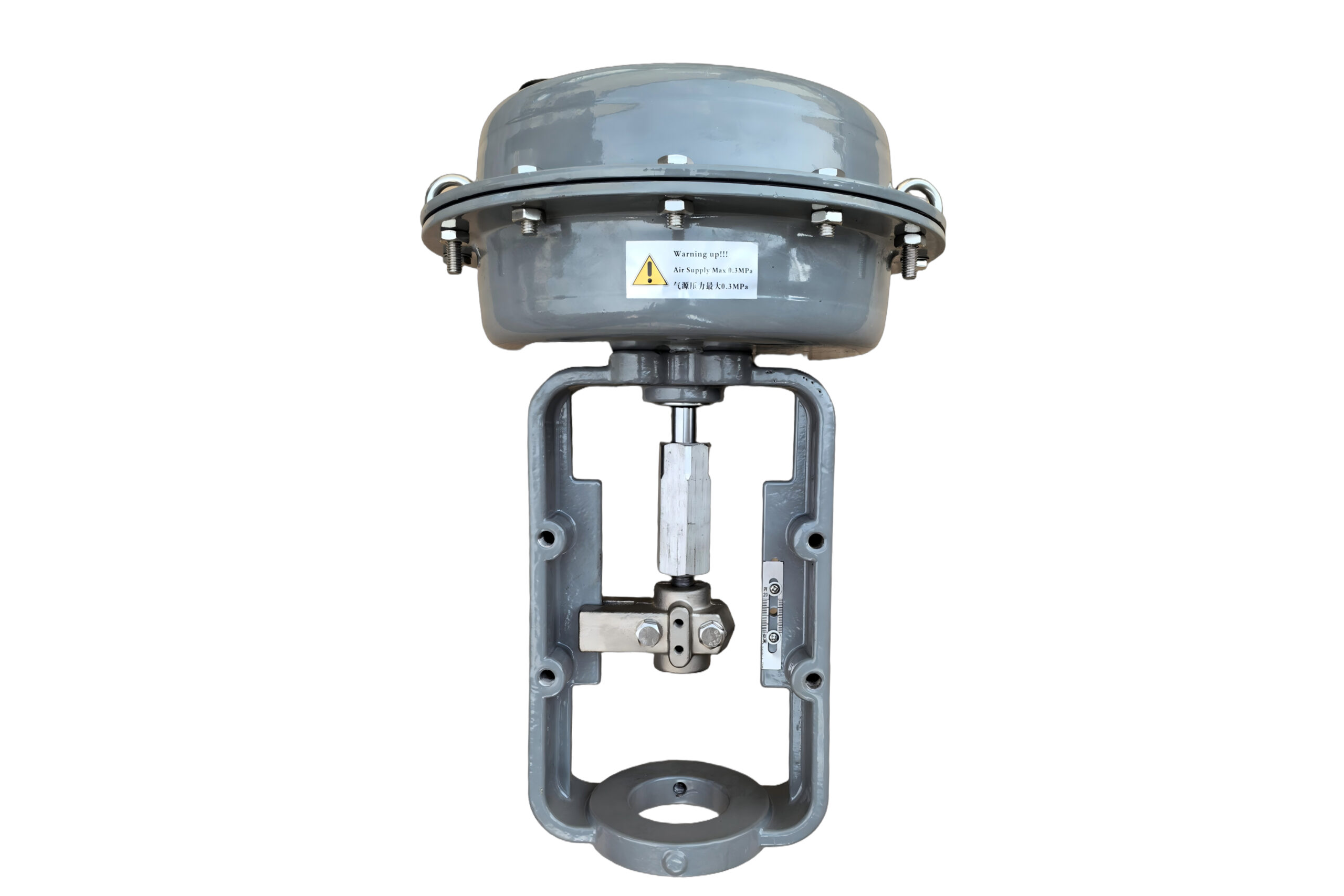
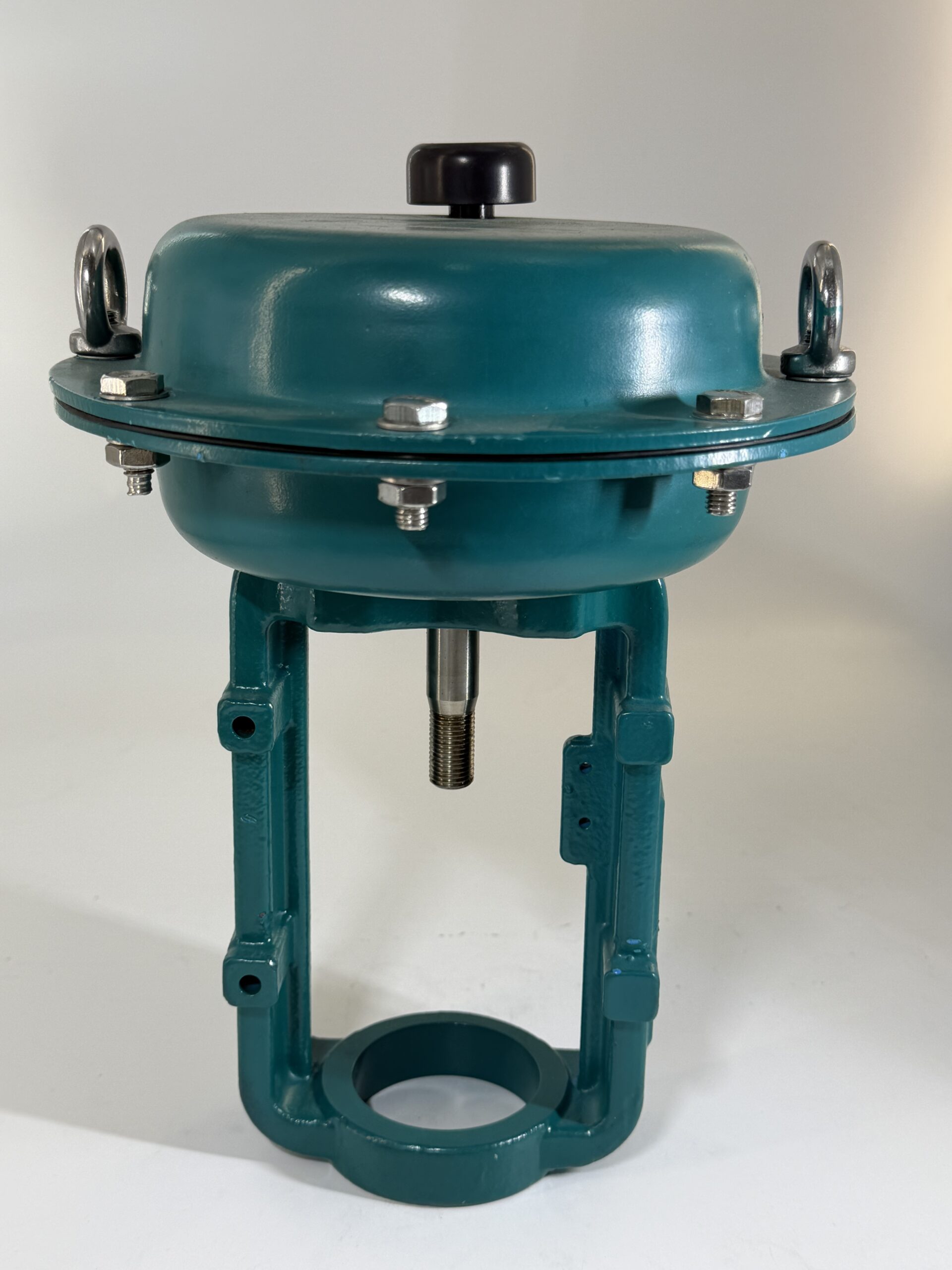
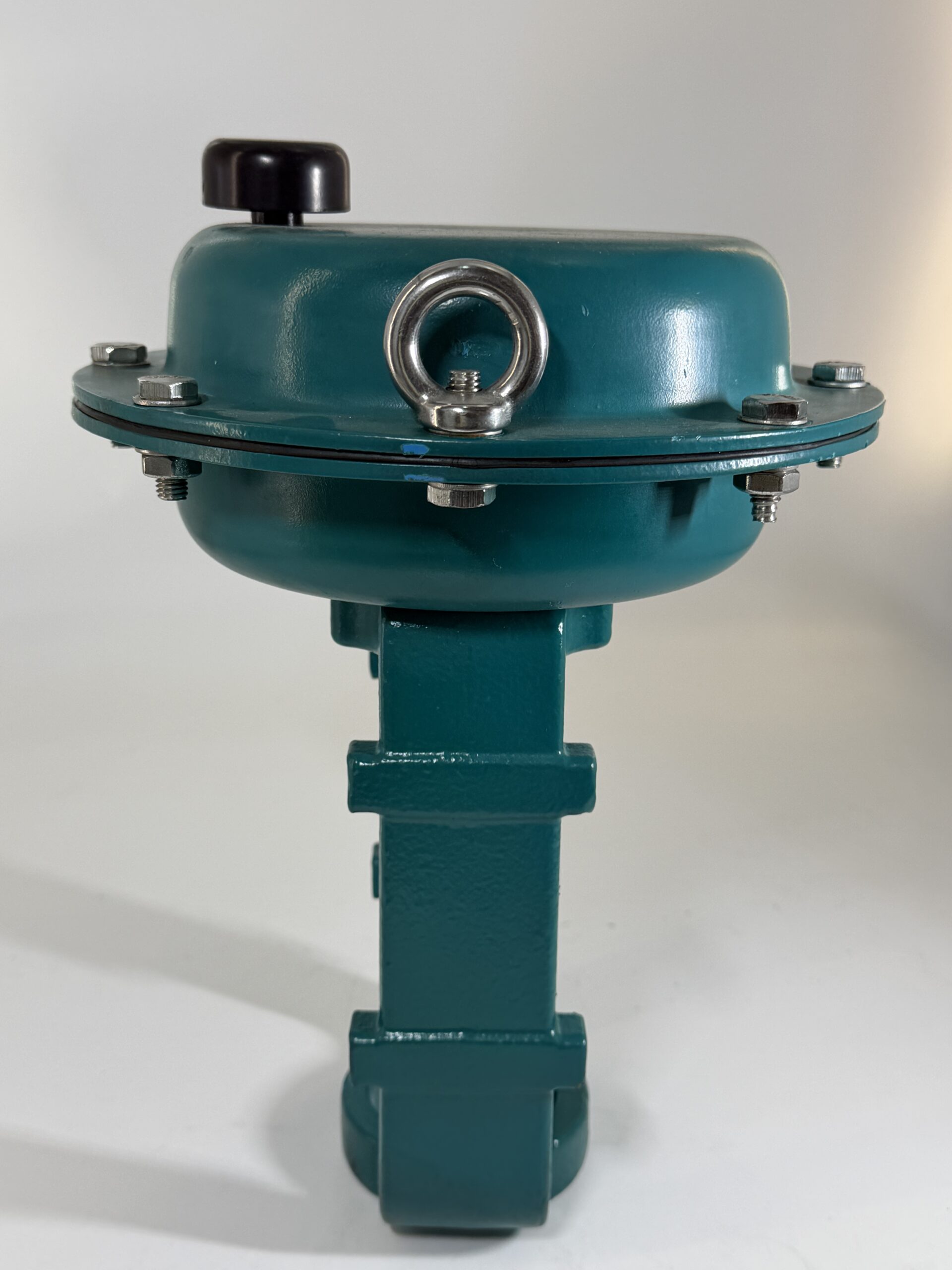
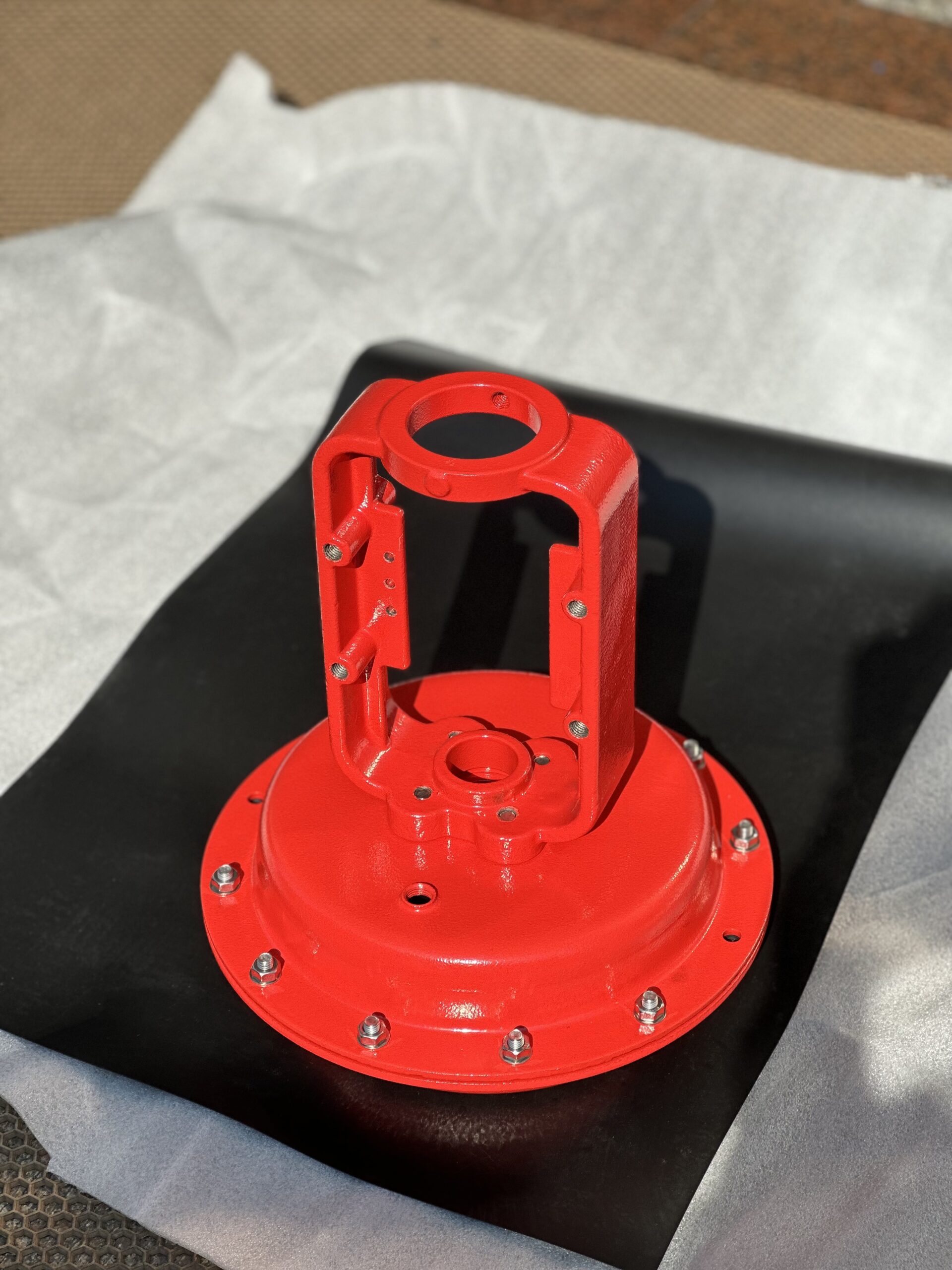
An actuator—also known as an actuating mechanism—is a critical device within an automatic control system that receives control signals and drives the controlled object. Functioning as the system’s ‘muscles’ or ‘executive organs’, its core function is to convert electrical, pneumatic, or hydraulic signals received from a controller (such as a PLC or DCS) into mechanical motions—specifically linear displacement, angular displacement, or multi-turn rotation. By directly adjusting components such as valves, dampers, or robotic joints, the actuator enables the precise control of process parameters such as flow rate, pressure, temperature, or position.

Reviews
There are no reviews yet.